International Academy of Surgical & Aesthetic Medical Education
A structured educational approach to surgical wound management, aesthetic closure and scar optimization.
Rafiee Academy is an international educational initiative dedicated to advancing practical, safe, clinically responsible and aesthetically informed training for physicians and healthcare professionals.

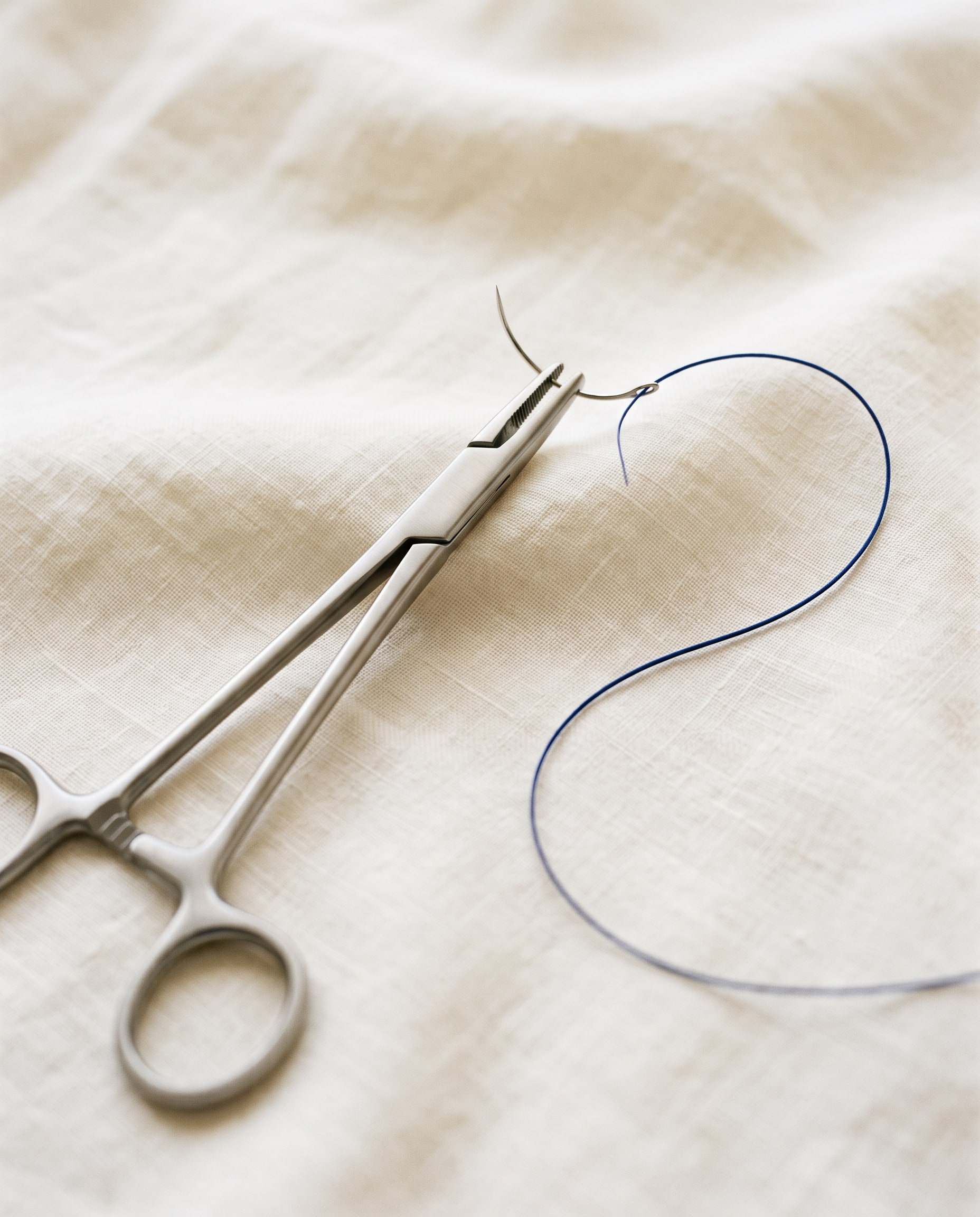
Educational programs
Four core programs, one educational framework.
Each applies the same approach to a different field of practice, from the first procedure to safe aesthetic practice.
Wound-to-Scar™
Structured Surgical Wound Management & Scar OptimizationFlagship · In developmentFoundations of Clinical & Minimally Invasive Procedural Medicine
Fundamental clinical and procedural skillsIn developmentAesthetic Surgical Skills for Physicians
Aesthetic analysis, local flaps, plasties and fine techniqueIn developmentClinical Aesthetic Practice & Patient Safety
Safe clinical practice and decision-making in aesthetic medicineIn development


Who teaches
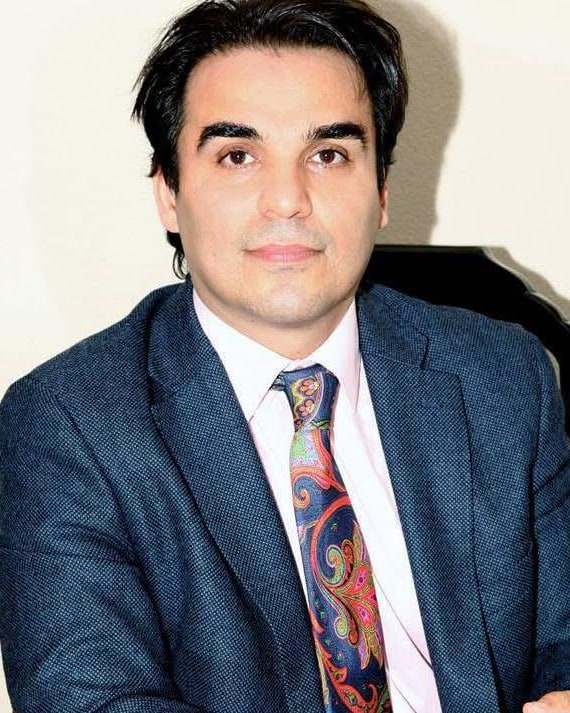
Dr. S. Nouri Rafiee
Founder & Academic Director
A plastic surgeon educated and trained at the University of Buenos Aires (UBA), Argentina, Dr. Rafiee brings over two decades of clinical and surgical experience. His professional credentials are currently undergoing formal recognition procedures in additional countries.
The Academy grew out of an observation that returns again and again in clinical practice: knowing how to close a wound is not the same as knowing whether it should be closed.
I teach physicians to think about the final scar from the moment they encounter the wound.
Methodology & academic evidence
Not only how to perform a procedure.
Health professionals should learn when to perform it, why, how to perform it safely, how to evaluate the result, when not to intervene and when a specialist should be involved. The Rafiee Educational Approach expresses that principle as six phases of one continuous clinical judgment.
Assess
What is in front of me, and what does it need?
A structured clinical assessment of the patient and the wound before any decision is made: mechanism, location, contamination, tissue viability, function at risk and the patient’s own context.
Plan
Should this wound be closed, and if so, how and by whom?
Deciding the objective before the technique: timing, method of closure, anesthesia, the likely scar and its orientation, and whether the case belongs with a specialist.
Handle
How should the tissues be treated?
Respectful tissue handling as a clinical skill in its own right: preparation, debridement when indicated, atraumatic technique and the preservation of what will be needed to heal well.
Close
Which closure protects function and future healing?
Choosing and executing a closure that restores alignment without excess tension: layered repair when appropriate, edge eversion, and suture selection matched to site and purpose.
Protect
What protects the wound while it heals?
Care of the repair after the last stitch: dressing, tension management, infection awareness, patient instructions and the early measures that influence how a scar matures.
Follow-up
Is healing on course, and when should someone else be involved?
Reviewing healing and scar maturation over time, recognizing complications early, and knowing when intervention should stop and specialist referral should begin.
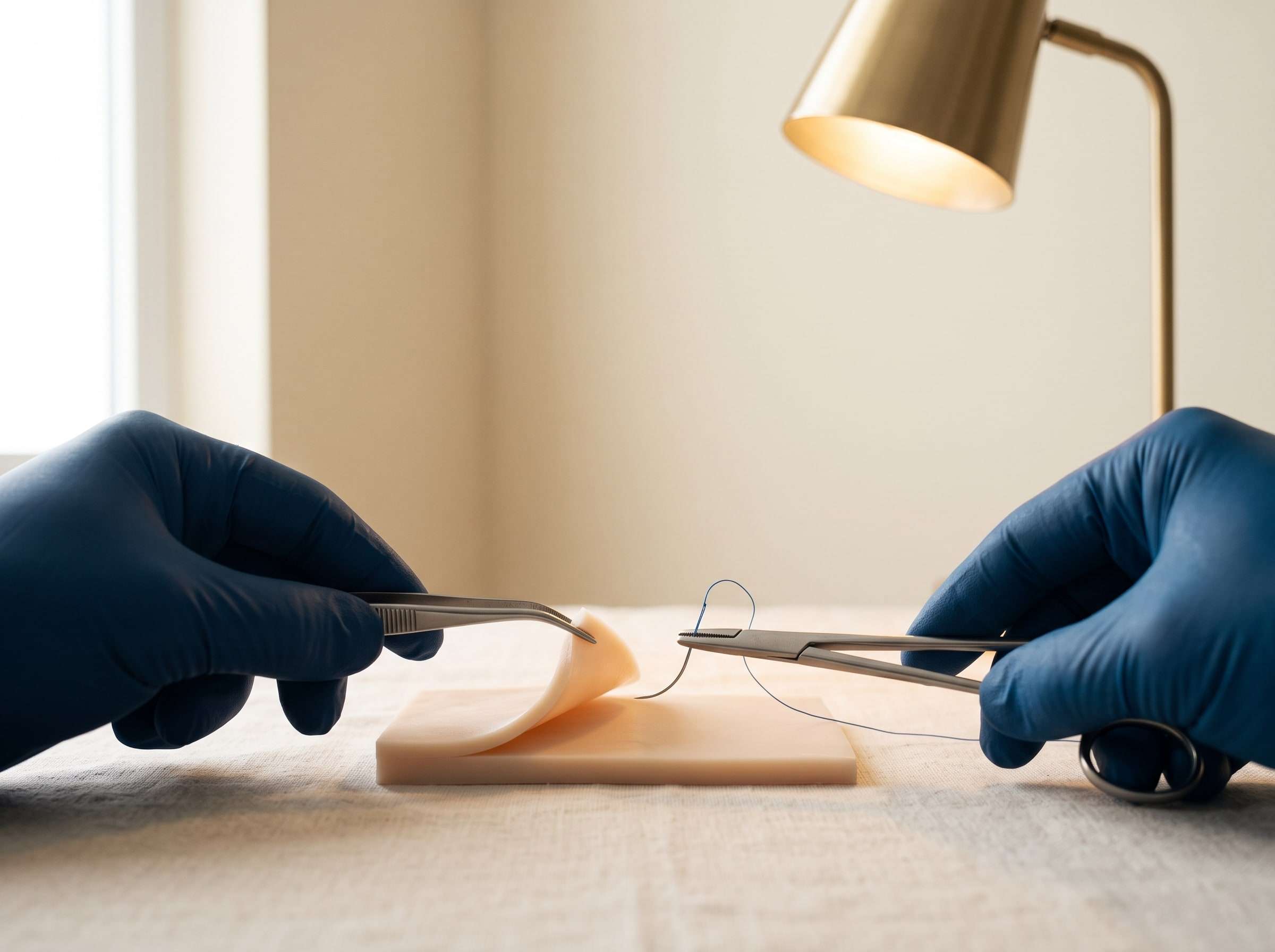
- TeachingEight steps, from knowledge to supervised practiceEach skill is understood, seen and rehearsed on simulation before it is performed.
- AssessmentJudgment assessed, not only techniqueA framework in development across seven domains, from knowledge to patient safety.
- ResearchFramework developed, evaluation under wayPilot implementation and evaluation are in development. Nothing is claimed before it is measured.
Registration & contact
Register interest, or write to the Academy.
For programs, academic collaboration and research inquiries. Every message is read and answered personally.