Program 06 · Advanced programPlanned
Clinical Simulation, Procedural Skills & Assessment
How procedural skills are learned, rehearsed and assessed
How a procedural skill is rehearsed, observed and judged before it reaches a patient.
- For
- Physicians, physicians in training and medical educators
- Curriculum
- 4 modules · 14 topics
- Format
- To be announced
- Academic direction
- Dr. S. Nouri Rafiee
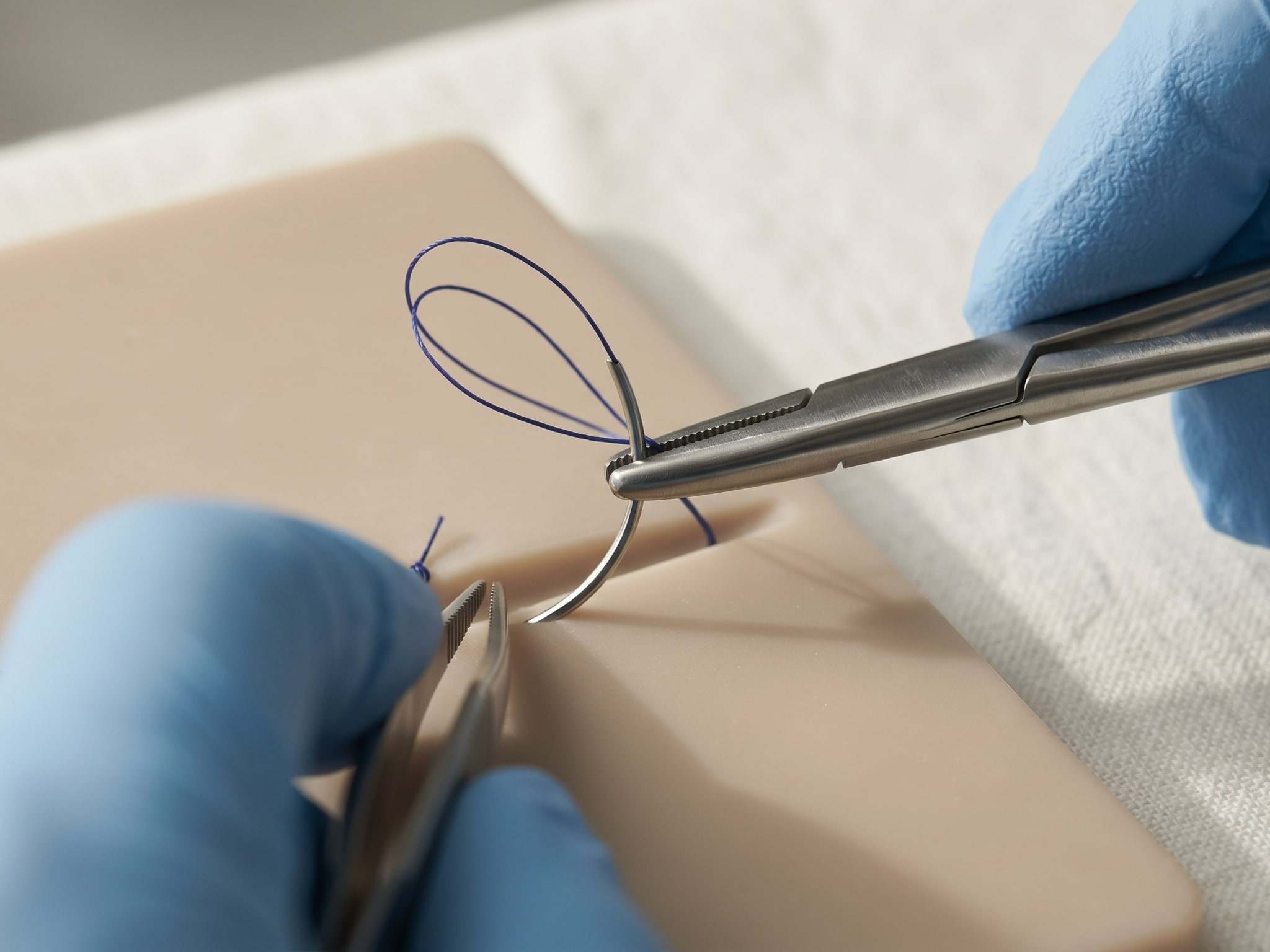
StatusPlanned. The program is part of the Academy's curriculum plan and its content has been outlined; its development, format and dates have not been announced.
Why a program on how skills are learned
A procedural skill is not acquired by watching, and it is rarely acquired by repetition alone. It develops through practice with a defined goal, feedback specific enough to act on, and assessment that shows whether the skill is actually there. When any of the three is missing, confidence can grow faster than competence, and the gap may only become visible when a patient is involved.
Clinical Simulation, Procedural Skills & Assessment is designed to make that process explicit. It draws on established principles of health-professions education, the same ones behind the Academy’s teaching progression and its assessment framework: Peyton’s four-step approach to demonstration, deliberate practice on simulation models, and Miller’s distinction between knowing, knowing how, showing how and doing. The sources are cited with the Rafiee Educational Approach.
From the model to supervised practice
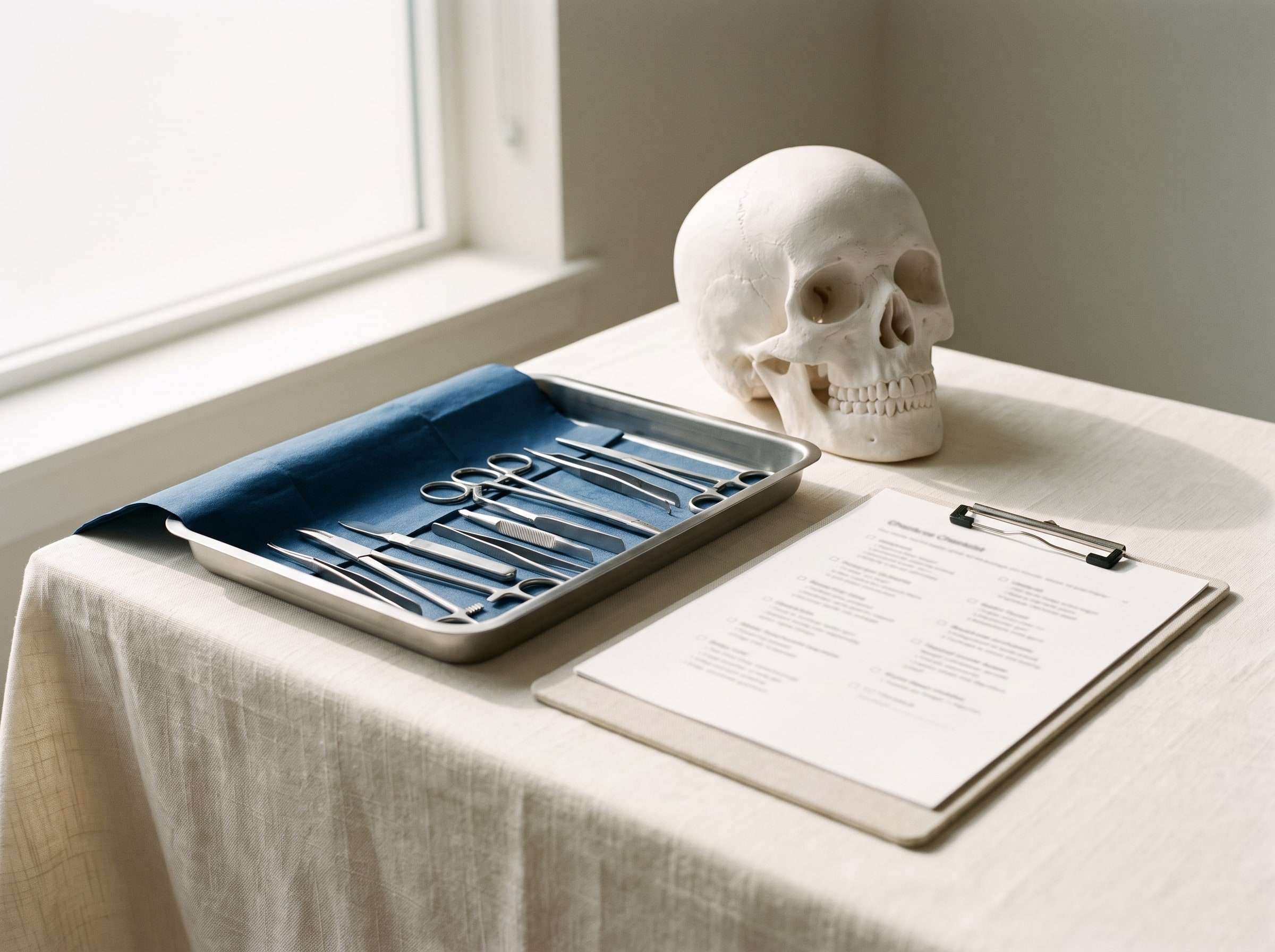
The program is planned in four modules that follow the path of a skill. The first is simulation-based education: what anatomical models and procedural simulation can and cannot reproduce, and how practice on them is organized so that repetition has a purpose. The second moves from technique to judgment, with case-based learning and clinical scenarios in which the decision to close, to stop or to refer counts as much as the hands, and then to supervised practice, with supervision matched to demonstrated competence and to local regulation.
Feedback has a module of its own, because in procedural teaching it is often left to improvisation. It is designed to address the technique and the decisions that preceded it, and to begin with the learner’s reasoning. The last module is dedicated to the objective assessment of technical skills, clinical judgment, decision-making and safety.
How it will be taught and assessed
The program is designed to be taught the way it describes: through simulation, scenarios, supervised practice where it is allowed, structured feedback and assessment. Assessment follows the domains of the Academy’s assessment framework, which is itself in development: structured direct observation for technique, scenario-based questions in which the reasoning counts, and safety assessed as a behavior during practice as well as knowledge on paper.
Assessment in this program is designed to support learning. It does not replace the credentialing of any institution, and it does not authorize anyone to perform procedures beyond their qualifications, license or local regulation.
How it relates to the other programs
This is an advanced program. It does not introduce new procedures: the skills it uses as material for practice and assessment come from the core programs. Basic sutures and knots are taught in Foundations of Clinical & Minimally Invasive Procedural Medicine, wound management and aesthetic closure in Wound-to-Scar™, and advanced aesthetic surgical technique in Aesthetic Surgical Skills for Physicians. Those programs teach the skills; this one is designed to show how they are learned and how they can be assessed objectively across the curriculum.
It is also intended for educators. Physicians who teach procedural skills, and institutions that want to develop simulation-based teaching or assessment of their own, may find in it a shared method, and the Academy’s collaborations page describes how that work could be undertaken together.
Current status
The program is planned: its content has been outlined, but its development, format and dates have not been announced. Registering interest is the way to be told when that changes, and to tell the Academy what a program on simulation and assessment should address in your setting.
Repetition alone does not make a skill. Practice with a clear goal, specific feedback and honest assessment does.
Who it is for
- Physicians who perform the procedural skills taught in the core programs, such as suturing and wound closure, and want to understand how those skills are built, rehearsed and judged.
- Medical and surgical educators who teach procedural skills and want a structured way to use simulation, feedback and objective assessment in their own teaching.
- Physicians and institutions interested in developing simulation-based teaching or the assessment of procedural skills in their own setting.
Intended outcomes
The program is designed so that participants will be able to:
- Explain the principles of simulation-based education and choose between anatomical models and procedural simulation according to the skill being learned.
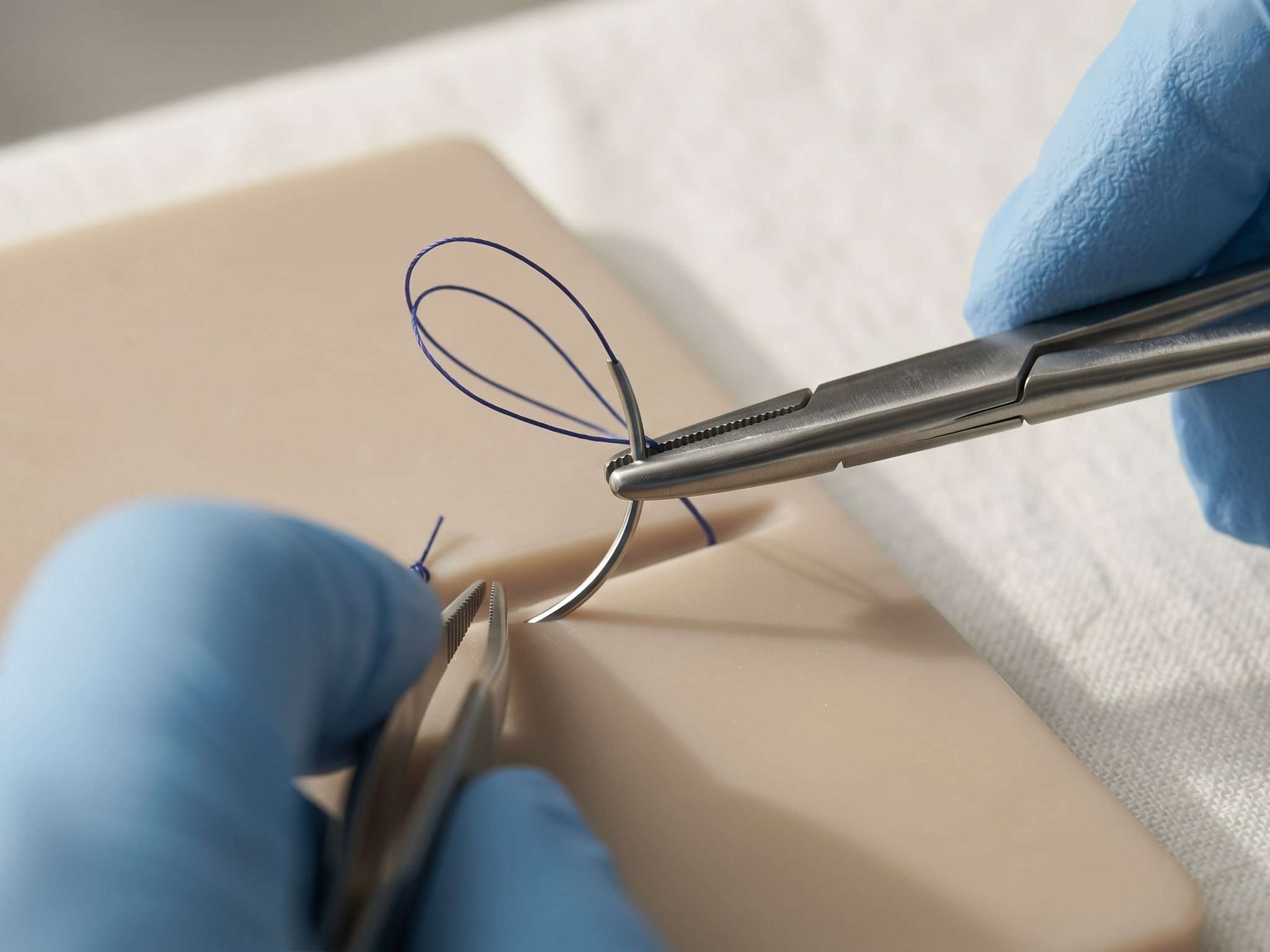
- Structure practice on a model around a defined task, a clear standard and specific feedback, rather than repetition alone.
- Use case-based learning and clinical scenarios to rehearse clinical judgment and decision-making, including the decisions not to intervene and to refer.
- Describe how a learner should move from simulation to supervised practice, with supervision matched to demonstrated competence and to local regulation.
- Give feedback that addresses both technique and the reasoning behind it, and receive it in the same way.
- Apply the principles of objective assessment to technical skills, clinical judgment, decision-making and safety, and recognize the limits of each method.
Curriculum outline
What the program is designed to cover. The detailed syllabus, format and dates will be published on this page with the first edition.
Where it sits in the Rafiee Educational Approach
- Module 01
Simulation-based education
Why simulation is used to learn procedural skills, what a model can and cannot reproduce, and how practice on it is organized so that repetition has a purpose.
- Simulation-based education: principles, purpose and limits
- Anatomical models: choosing a model for the skill being learned
- Procedural simulation: rehearsing a procedure step by step, without risk to patients
- Module 02
From scenario to supervised practice
How judgment is trained alongside technique, and how a learner moves from rehearsal on a model to performance under supervision.
- Case-based learning, using clinical material without identifiable patient data
- Clinical scenarios: rehearsing decisions, complications and referral
- Supervised practice, with supervision matched to demonstrated competence and local regulation
- Module 03
Feedback
Feedback treated as a skill in its own right: what makes it specific and timely enough to change the next attempt, for learners and for those who teach them.
- Feedback on technique, specific and timely
- Feedback on the decisions that preceded the technique
- Feedback as a conversation that begins with the learner's reasoning
- Module 04
Assessment of procedural competence
How competence is observed and judged: the principles of objective assessment applied to technique, judgment, decisions and safety, and the limits of each method.
- Objective assessment: structured observation, explicit criteria and their limits
- Technical skills assessment by direct observation
- Assessment of clinical judgment: what to do, in what order and why
- Assessment of decision-making, including the decisions not to intervene and to refer
- Safety assessment: safe behavior observed during practice, not only knowledge on paper
How it is taught
Format, dates and venue to be announced. The program is designed to be taught through practice rather than lectures: simulation on anatomical and procedural models, clinical scenarios and supervised practice where local regulation allows it, with structured feedback and objective assessment built into each stage.
The teaching progression- 1Foundational knowledge
- 2Demonstration
- 3Simulation
- 4Supervised practice
- 5Case-based learning
- 6Feedback
- 7Assessment
Scope and boundaries
What the program does not do matters as much as what it does. These limits are part of the teaching.
- The program does not authorize participants to perform procedures outside their qualifications, license or legal scope of practice, which is defined by each country. Performance on a model or in a scenario is not permission to perform a procedure on patients.
- Assessment within the program is designed to support learning. It does not replace the credentialing or privileging processes of any institution or health system.
- Injuries to deeper structures, such as nerves, tendons, vessels or ducts, and anything beyond a participant's competence appear in scenarios as recognition and referral, not as repairs to perform independently.
- The program draws on established principles of health-professions education. It is not affiliated with, or endorsed by, any professional or educational organization.
- The program is not currently accredited for CPD or CME credit.
Questions about Simulation & Assessment
Is this program for learners or for educators?
Both. It is designed for physicians who want to understand how their procedural skills are built and judged, and for educators who teach and assess those skills. Institutions interested in developing simulation-based teaching or assessment can also discuss a collaboration with the Academy.
Do I need to complete a core program first?
It is an advanced program, designed to build on the core programs, particularly Wound-to-Scar™ and Foundations of Clinical & Minimally Invasive Procedural Medicine, whose skills it uses as material for practice and assessment. Any prerequisites will be stated on this page together with the format.
How will participants be assessed?
Assessment is designed to be part of learning: structured direct observation of technique, scenario-based questions in which the reasoning counts, and safety observed as a behavior during practice, each followed by feedback. It does not authorize anyone to perform procedures and does not replace the credentialing of any institution.
When will the program be available?
It is planned: its content has been outlined, but its development, format and dates have not been announced. Registering interest is the way to be told when that changes.
Does the program carry CPD or CME credit?
No. This program is not currently accredited for CPD or CME credit. Any accreditation will be stated on this page only once it has been granted.
All programs
Core programs
The foundation of the curriculum: wound management, procedural basics, aesthetic surgical skills and safe clinical practice.
Wound-to-Scar™
Structured Surgical Wound Management & Scar OptimizationFlagship · In developmentFoundations of Clinical & Minimally Invasive Procedural Medicine
Fundamental clinical and procedural skillsIn developmentAesthetic Surgical Skills for Physicians
Aesthetic analysis, local flaps, plasties and fine techniqueIn developmentClinical Aesthetic Practice & Patient Safety
Safe clinical practice and decision-making in aesthetic medicineIn development
Advanced & specialized programs
Programs that build on the core: simulation and assessment, consultation and practice, and clinical imaging.
Clinical Simulation, Procedural Skills & Assessment
How procedural skills are learned, rehearsed and assessedPlannedAesthetic Consultation, Ethics & Practice Development
Communication, consent, ethical conduct and the organization of a practicePlannedClinical Imaging & Ultrasound in Aesthetic Medicine
Ultrasound anatomy, image-assisted planning and patient safetyPlanned
Research & educational development
A line of inquiry into the biology of healing and scarring. It studies the science behind the programs and is not taught.